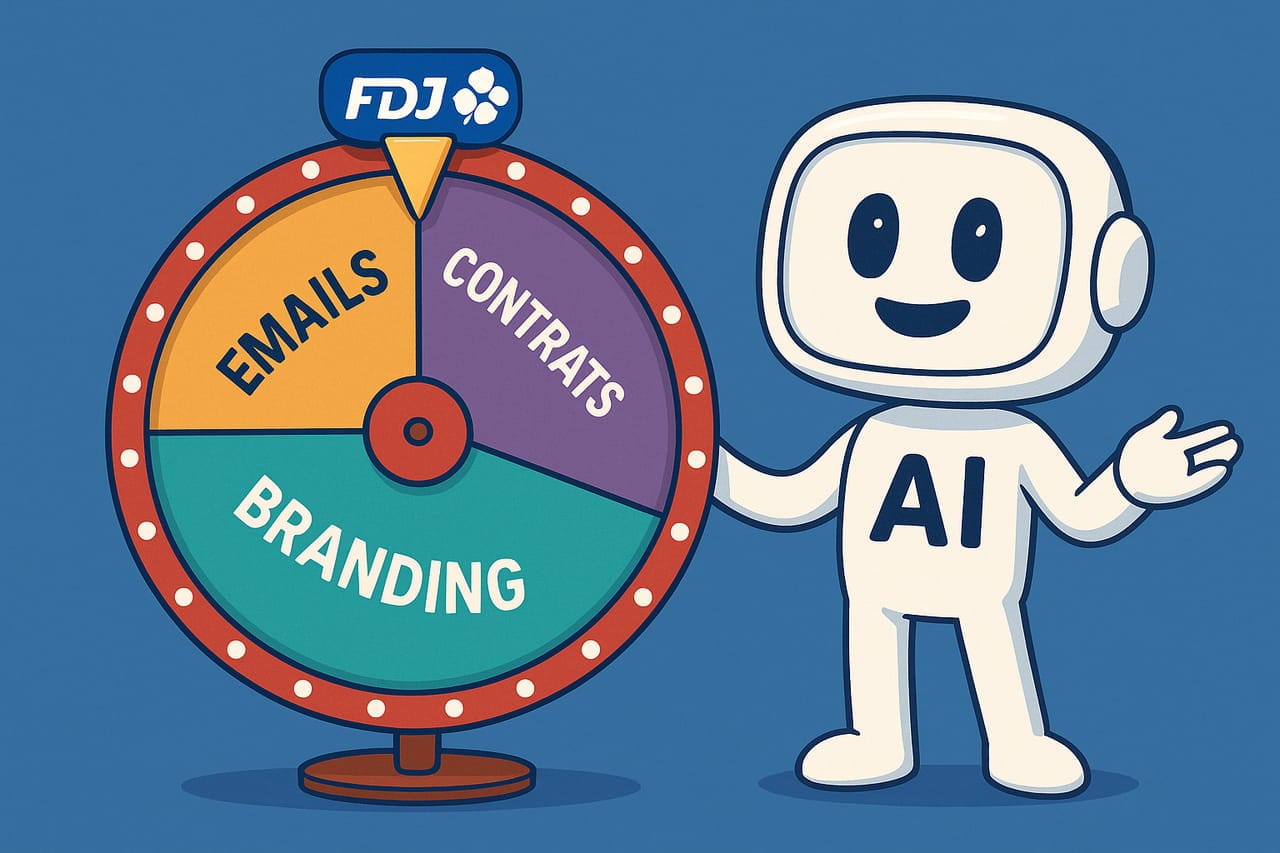
Artificial intelligence is radically transforming the way we design, develop, and optimize websites. This technological revolution is no longer just about automating repetitive tasks: it is completely redefining the strategic approach to web development and user experience. In an increasingly competitive digital environment, understanding and mastering these new possibilities becomes essential for any business looking to maximize its online presence and conversions.
Today, designing a website is no longer limited to assembling pages and adding content. The real question for businesses and creators is: how can we transform these pages into truly effective tools for attracting, engaging, and converting visitors? AI is now emerging as a key player in this transformation, offering unprecedented capabilities for analysis, optimization, and personalization.
📋 Summary
[content h2]
📝 In brief
- AI is revolutionizing web creation by analyzing user behaviors in real-time
- Intelligent automation accelerates development and improves site maintenance
- Dynamic personalization optimizes conversions through real-time adaptation
- Ethical challenges require a balance between automation and human experience
- The strategic integration of AI is becoming a major competitive advantage by 2025
AI in Behavioral Analysis and UX Optimization
Artificial intelligence is revolutionizing the analysis of user behaviors by enabling a deep and real-time understanding of interactions on a website. Unlike traditional analysis methods that rely on historical data, AI can instantly process thousands of data points to identify complex behavioral patterns and predict future actions of visitors.
This predictive analysis capability radically transforms the approach to UX optimization. Machine learning algorithms can detect friction points before they significantly impact conversions. For example, if AI identifies that a certain type of visitor consistently abandons their navigation at a specific step, it can automatically suggest design or content adjustments to improve the user journey.
Modern AI tools also allow for automatic audience segmentation based on sophisticated behavioral criteria. This intelligent segmentation goes far beyond traditional demographic criteria to rely on indicators such as browsing speed, click patterns, time spent on certain sections, or interactions with interactive elements on the site.
The impact on performance is measurable: sites using AI for UX optimization typically observe a 20 to 40% improvement in their conversion rates. This improvement is explained by AI’s ability to personalize the experience in real-time, adapting content, layout, and even calls-to-action based on the behavioral profile of each visitor. To delve deeper into these aspects, check out our guide on conversion rate optimization.
Intelligent Automation of Development and Maintenance
Web development automation through AI represents one of the most significant evolutions in the industry. AI-assisted code generation tools now allow for the creation of complex interfaces from simple text descriptions or visual mockups. This revolutionary approach significantly accelerates development cycles while maintaining high-quality standards.
Predictive maintenance is another area where AI excels. Intelligent systems can anticipate problems before they affect end users. By analyzing performance logs, error patterns, and load metrics, AI can identify components likely to fail and propose proactive corrective actions.
Automatic performance optimization also represents a major advantage. AI can dynamically adjust image compression, optimize caching, rearrange resource loading, and even modify code structure to improve loading times. These optimizations occur continuously, adapting to traffic variations and technological advancements.
AI-driven automated testing allows for more comprehensive and intelligent test coverage. Unlike traditional testing that follows predefined scenarios, AI can dynamically explore different user journeys, identify unforeseen use cases, and detect subtle bugs that would escape conventional methods. This approach significantly improves the reliability of websites while reducing maintenance costs. To optimize your infrastructure, discover our tips on choosing high-performance hosting.
Dynamic Personalization and Conversion Optimization
Dynamic personalization represents one of the most powerful applications of AI in the field of web marketing. This technology allows for real-time adaptation of content, layout, and functionalities of a website based on the behavioral profile of each visitor. This approach goes far beyond simple demographic segmentation to create truly individualized experiences.
Machine learning algorithms continuously analyze user interactions to refine their understanding of preferences and intentions. This analysis allows for automatic adjustments to conversion elements: button colors, positioning of calls-to-action, wording of messages, and even navigation structure. Each element is optimized to maximize engagement and conversions for each audience segment.
AI also enables the implementation of intelligent A/B testing that goes beyond traditional methods. Instead of simply testing two static versions, AI can automatically generate and test hundreds of variations, identify the most effective elements, and combine them optimally. This approach significantly accelerates the optimization process while improving the accuracy of results.
Predicting purchase intent is another major advantage. By analyzing browsing patterns, time spent on certain pages, interactions with products, and many other signals, AI can predict the likelihood that a visitor will convert. This information allows for real-time strategy adjustments: offering a special deal to a visitor about to leave, simplifying the checkout process for a potential buyer, or presenting complementary products at the optimal moment. To explore these strategies further, check out our article on how AI is revolutionizing marketing.
Ethical Challenges and Preserving Human Experience
The massive integration of AI into web creation raises important ethical questions that require deep reflection. The collection and use of personal data to feed AI algorithms must comply with current regulations, including GDPR in Europe. Companies must find a balance between advanced personalization and respect for user privacy.
Algorithmic transparency represents a major challenge. Users have the right to understand how their data is used and how automated decisions affect them. This demand for transparency requires the development of explainable AI systems capable of justifying their recommendations and actions. This approach builds user trust while allowing companies to better understand and control their systems.
Preserving the human experience is a crucial issue. Automation should not lead to a dehumanization of the web experience. It is essential to maintain human touchpoints, preserve creativity in design, and ensure that AI enhances rather than replaces human expertise. This balanced approach allows us to benefit from AI’s advantages while retaining the authenticity and emotion that make a web experience memorable.
Technological dependence also represents a risk to consider. Excessive use of AI can create a vulnerability if systems fail or if algorithms produce unexpected results. It is crucial to maintain manual operating capabilities and develop contingency plans to ensure service continuity. To understand these issues, read our analysis on the ethical challenges of AI-based marketing.
Conclusion
Artificial intelligence is fundamentally transforming web creation and performance optimization, opening up unprecedented possibilities for enhancing user experience and maximizing conversions. This technological revolution is not just an evolution of existing tools, but represents a paradigmatic shift in our approach to web development.
I observe that companies strategically integrating AI into their web creation processes are gaining significant competitive advantages. Real-time behavioral analysis, intelligent automation of development, dynamic personalization, and continuous conversion optimization are becoming major differentiating factors in an increasingly competitive digital environment.
However, this transformation must be accompanied by deep ethical reflection and a balance between automation and preserving the human experience. AI should enhance our creative and analytical capabilities rather than replace them, creating richer, more relevant, and more engaging web experiences for all users. The future of the web will be built on this intelligent synergy between technology and human creativity. 🚀