When I discovered the latest study from Previsible on AI discovery, I was struck by a reality that completely changes our understanding of the current digital landscape. Google remains undeniably the primary surface for brand discovery influenced by AI, even though ChatGPT dominates measurable referrals from autonomous LLM assistants. This study, the third edition of the AI Traffic Study report, covers data from November 2024 to May 2026 and analyzes 6.77 million sessions generated by LLMs across 166 different websites. What I find particularly interesting is that this research reveals not only where users discover brands but also how digital marketing strategies must evolve to remain relevant. The AI discovery agency measured referral traffic from autonomous LLM platforms using 166 Google Analytics 4 properties, deliberately excluding Google’s AI Overviews from the dataset of autonomous LLMs, as Google’s AI search features operate under a different measurement model and do not produce traceable referral sessions in the same way. This distinction is crucial for understanding the true impact of each channel on your organic search strategy.
Google Remains the Dominant Surface for AI Discovery
The Previsible study clearly demonstrates that Google AI Overviews and AI Mode represent a much larger volume of AI-influenced traffic than all autonomous LLM platforms combined. The websites included in this research cover a wide range of sectors: SaaS, e-commerce, finance, law, health, insurance, education, publishing, and ticketing. What truly impresses me is the diversity of the industries analyzed, making the conclusions particularly robust and applicable to many different business contexts. The report clearly identifies Google’s AI Overviews and AI Mode as the primary surfaces on which marketers should focus their efforts in the second half of 2026. 🔍 This focus on Google reflects the reality that the majority of users still start their searches on the dominant search engine, even when looking for AI-generated answers.
What I find particularly revealing is that despite the emergence of many autonomous AI assistants, Google maintains its position as the undisputed leader. The data shows that the total monthly traffic from sessions generated by LLMs reached 644,478 in May 2026, compared to only 65,249 in November 2024, representing a growth of 9.9 times. However, this impressive growth of autonomous LLM sessions remains minor compared to the overall impact of Google AI Overviews on website traffic. For marketers, this means that optimizing for Google’s AI search results must remain a top priority, even as you also explore opportunities offered by autonomous assistants.
The data also reveals interesting fluctuations in monthly traffic from autonomous LLM sessions. Traffic dropped by 50% in November 2025, primarily due to a decline in ChatGPT referrals, which fell from 448,412 in October 2025 to 213,345 in November 2025, before recovering to 442,609 in December 2025. While the report does not attribute this November decline to a confirmed single cause, this volatility underscores the importance of diversifying your discovery strategies rather than relying on a single source.
ChatGPT Massively Dominates References from Autonomous Assistants
Among autonomous assistants, ChatGPT remains by far the most significant source of traceable referral traffic. The study reveals that ChatGPT accounts for 92.4% of all autonomous AI referral traffic on the analyzed websites. This dominance is impressive and reflects the undisputed leadership position that ChatGPT has established in the AI assistant market. 💬 ChatGPT’s market share has significantly increased, rising from about 84% in Previsible’s December 2025 review to 92.4% in the latest study. In comparison, Perplexity held 8.9%, Gemini 4.5%, Copilot 2.1%, and Claude only 0.6% at the time of the previous study.
The autonomous referral traffic from ChatGPT has seen remarkable growth, increasing from 47,606 sessions in November 2024 to 610,910 in May 2026, representing a 12.8 times increase over the 19-month period. This exponential growth demonstrates the massive adoption of ChatGPT by users and its increasing integration into the daily workflows of consumers and professionals. For marketers, this means that optimizing for ChatGPT has become a strategic necessity, not just an experimental opportunity. Other AI assistants also recorded growth in referral traffic during the study period, but at a much slower pace than ChatGPT.
Gemini experienced a growth of 3.2 times and became the second most visible model after ChatGPT, with traceable referral traffic increasing from 5,598 sessions in November 2024 to 18,119 in May 2026. Claude recorded an impressive growth of 64 times over the monitored period, rising from just 133 sessions in November 2024 to 8,528 in May 2026, and surpassed Perplexity in March 2026 to become the third assistant in terms of referral traffic. The study notes that Claude referrals are more common among developers, technical buyers, and professional services audiences, suggesting that different AI assistants attract distinct demographic audiences with different needs and behaviors.
Variations in AI Traffic by Industry
One of the most fascinating discoveries of this study concerns the significant variations in AI traffic across different industries. AI referral traffic to e-commerce content increased by 37 times, which is absolutely remarkable and demonstrates the transformative impact of AI on e-commerce. 📊 Product pages have become the primary landing surface for LLM traffic in the e-commerce sector, which makes sense as users seek specific product recommendations. Insurance also saw significant growth in AI traffic penetration, rising from 0.08% to 1.51% of total sessions. Education experienced a growth of 5.4 times, while finance increased from 0.56% to 1.19%. Websites of small and medium-sized enterprises saw their share of AI traffic rise from 0.4% to 1.71%.
However, health was the only vertical sector in the dataset where AI traffic penetration declined, dropping from 0.23% to 0.17%. This decline is interesting and may reflect greater user caution when consulting AI-generated health information, or a preference for official and verified medical sources. The report shows that LLM penetration remains low at 0.08% compared to over 120 million organic sessions, indicating that while growth is spectacular in percentage terms, AI traffic still represents a relatively modest share of total traffic for most websites.
The study also reveals that AI-referred traffic does not concentrate on the same types of pages across sectors. In SaaS, internal search pages account for 34.6% of LLM referrals, while in publishing, news pages represent 54% of LLM referrals. In education, course pages account for 52% of LLM referrals. In publishing, news pages represent 54% of LLM referrals in the category. In e-commerce, product pages are the primary landing surface for LLM traffic, and the study finds that AI traffic in e-commerce is almost entirely generated by ChatGPT. In health, “About” pages account for 42.1% of LLM referrals, which the report links to users checking the credibility of a source after being directed by an AI assistant. In law, referrals are more evenly distributed among blog pages, “About” pages, contact pages, and location pages. In financial services, blog content receives the largest share of LLM referrals, while some location and conversion pages also record LLM traffic. Some conversion pages, including sign-up, registration, and product entry pages, recorded AI traffic ratios to total traffic exceeding 2%.
The Foundations of Search Remain Central to AI Strategy
David Bell, product director at Previsible and author of the report, highlighted a crucial point: website structure and content signals remain important as AI becomes an integral part of discovery. He stated, “The foundations that brands have built in search are more important than ever. Start by becoming a source that Google’s AI results want to cite by building the site architecture and content signals that AI systems rely on to cite you, then earn ChatGPT as the primary autonomous surface.” 🎯 This perspective emphasizes that optimizing for AI is not a complete break from traditional SEO practices, but rather a natural evolution of them. Teams focusing on optimizing for AI search now will be better positioned to appear in AI-generated results in the future.
Previsible has recommended five key areas to focus on to optimize your presence in AI results. First, build citation-worthy evidence by creating high-quality content that directly answers the questions users ask AI assistants. Second, improve your authority with trusted third-party sources by obtaining quality mentions, citations, and backlinks. Third, make your websites easier to read and extract for AI systems by using appropriate HTML structure and semantic markup. Fourth, optimize for response journeys by understanding how users ask questions and structuring your content to answer those questions progressively. Fifth, measure business impact rather than relying solely on overall visibility, tracking how AI traffic actually converts into customers and revenue.
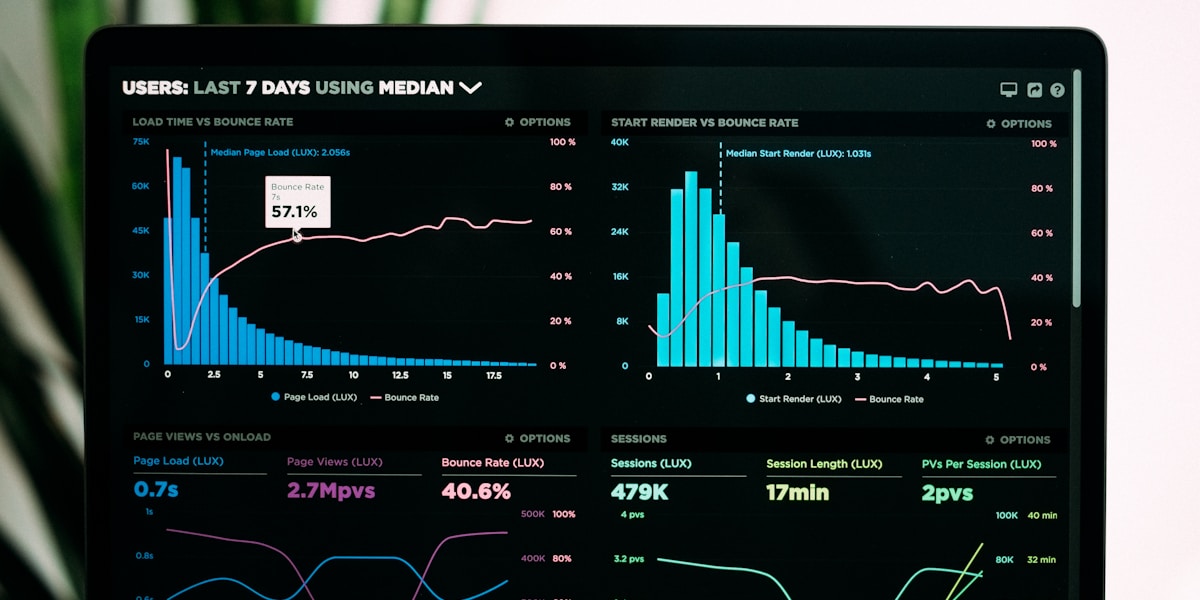
The report also emphasizes that marketers should measure AI traffic by page type rather than relying solely on site-wide averages. The study found that AI traffic varied significantly by page type, including pricing pages, product pages, course pages, and conversion pages. Jordan Koene, CEO of Previsible, stated that the study draws attention to users accessing brand websites and engaging with them through AI-generated discovery. “David’s research highlights one of the most important and often overlooked parts of AI search: the value of engaged users who visit and interact with brand websites,” Koene said. He added that the findings could affect how brands measure AI-generated discovery, build optimization strategies, and enhance web experiences and messaging for customers. For marketers using web analytics tools, this means it’s time to update your dashboards and KPIs to include AI traffic-specific metrics.
Conclusion
In my opinion, this study from Previsible marks a significant turning point in our understanding of the digital discovery landscape. We are witnessing a fundamental transformation in how users discover brands and products, with AI playing an increasingly central role. However, contrary to what some may fear, this transformation does not mean the obsolescence of existing organic search strategies. Instead, it represents an evolution of these strategies. The fundamental principles of creating quality content, building authority, and technical structure remain as relevant as ever, but they must now be applied with a clear understanding of how AI systems read, understand, and recommend content.
For marketers and website owners, the message is clear: start optimizing for AI discovery now. Focus first on Google AI Overviews and AI Mode, as that is where the majority of AI traffic lies. Then, explore the opportunities offered by autonomous assistants like ChatGPT, especially if your target audience actively uses these tools. Measure your success not just in terms of visibility, but in terms of real engagement and conversion. And above all, remember that behind every click generated by AI is a real user with real needs. Your goal should be to provide real value to these users, not just to optimize for algorithms. It is this user-centered approach that will distinguish the winners from the losers in the era of AI-generated discovery.
📝 In Brief
- Google remains the dominant surface for AI discovery, with AI Overviews and AI Mode generating more traffic than all autonomous LLM assistants combined
- ChatGPT massively dominates references from autonomous assistants with 92.4% of autonomous AI referral traffic, growing 12.8 times since November 2024
- AI traffic varies significantly by sector, with e-commerce recording a 37 times growth, while health experienced a decline
- Optimization for AI discovery should focus on building citation-worthy evidence, improving authority, and measuring real business impact