Artificial intelligence is revolutionizing video content creation at a dizzying pace. With the arrival of Sora 2 from OpenAI and the update Veo 3.1 from Google DeepMind, we are witnessing a true race for innovation in the field of AI-generated video. These two models represent the pinnacle of technology accessible to the general public and digital marketing professionals. After thoroughly testing these two solutions, I can affirm that we are at a decisive turning point for the video content industry. The capabilities of these generative AI tools now far exceed what we could have imagined just a few months ago. This comparative analysis will help you understand the strengths and weaknesses of each model, their concrete applications in digital marketing, and most importantly, which one to choose based on your specific needs. The stakes are high: these technologies will redefine how we create and consume video content in the years to come.
📋 Summary
The technical characteristics of the two giants
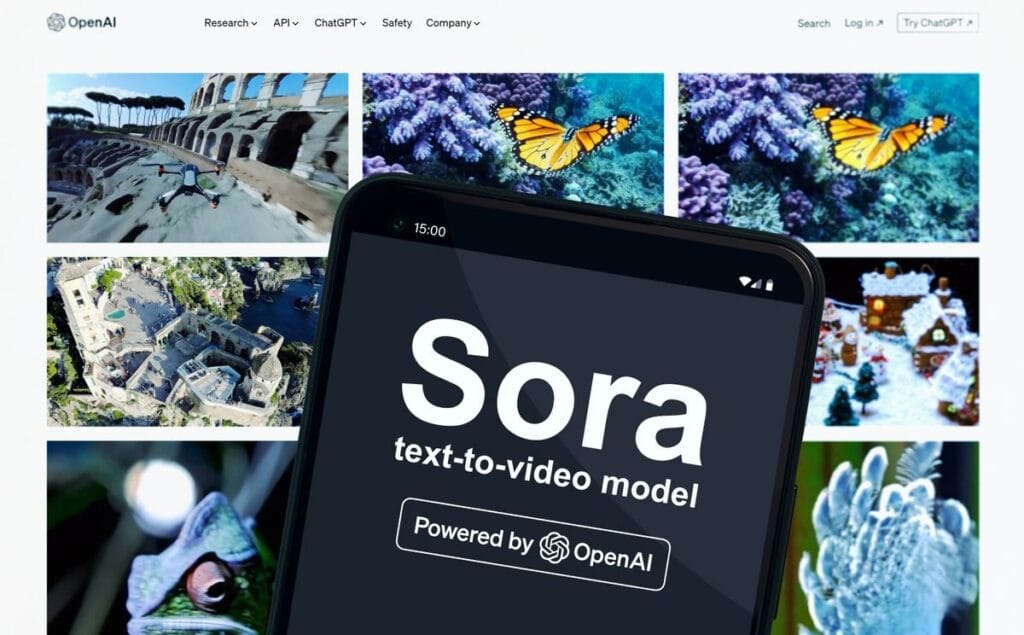
Sora 2 from OpenAI represents a major evolution compared to its first version. The model has been specifically trained to understand the physical laws of the real world, allowing it to generate videos with striking realism. This technical approach translates into a better understanding of movements, gravity, and interactions between objects. The generation capability now reaches 4K resolution (3840×2160) for videos lasting up to 25 seconds, a considerable technological leap.
The integration of synchronized sound effects and dialogues is one of the most remarkable innovations of Sora 2. This feature completely transforms the user experience by offering a complete audiovisual content 🎥. Each generated video is automatically watermarked with an invisible watermark and classified according to C2PA standards, thus ensuring the traceability of AI-generated content.
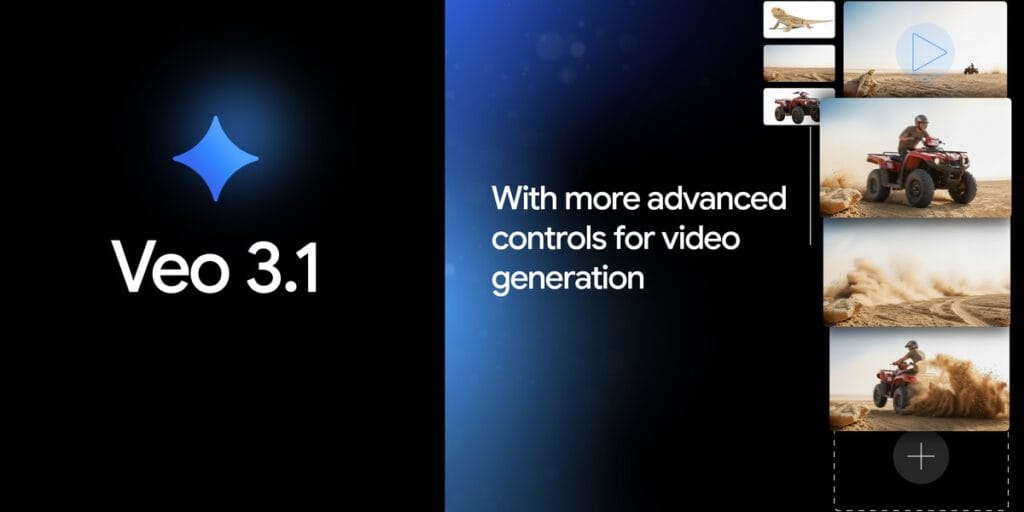
On the other hand, Veo 3.1 from Google DeepMind relies on a different approach with its latent diffusion model. This technical architecture prioritizes adherence to initial instructions, making it theoretically one of the best models for precise instruction following. Version 3.1 brings significant improvements in audio quality, with richer and more detailed sound effects. Although limited to 1080P resolution, Veo 3.1 compensates with its video extension capability, allowing for up to 148 seconds of final content.

Performance and realism: the comparative analysis
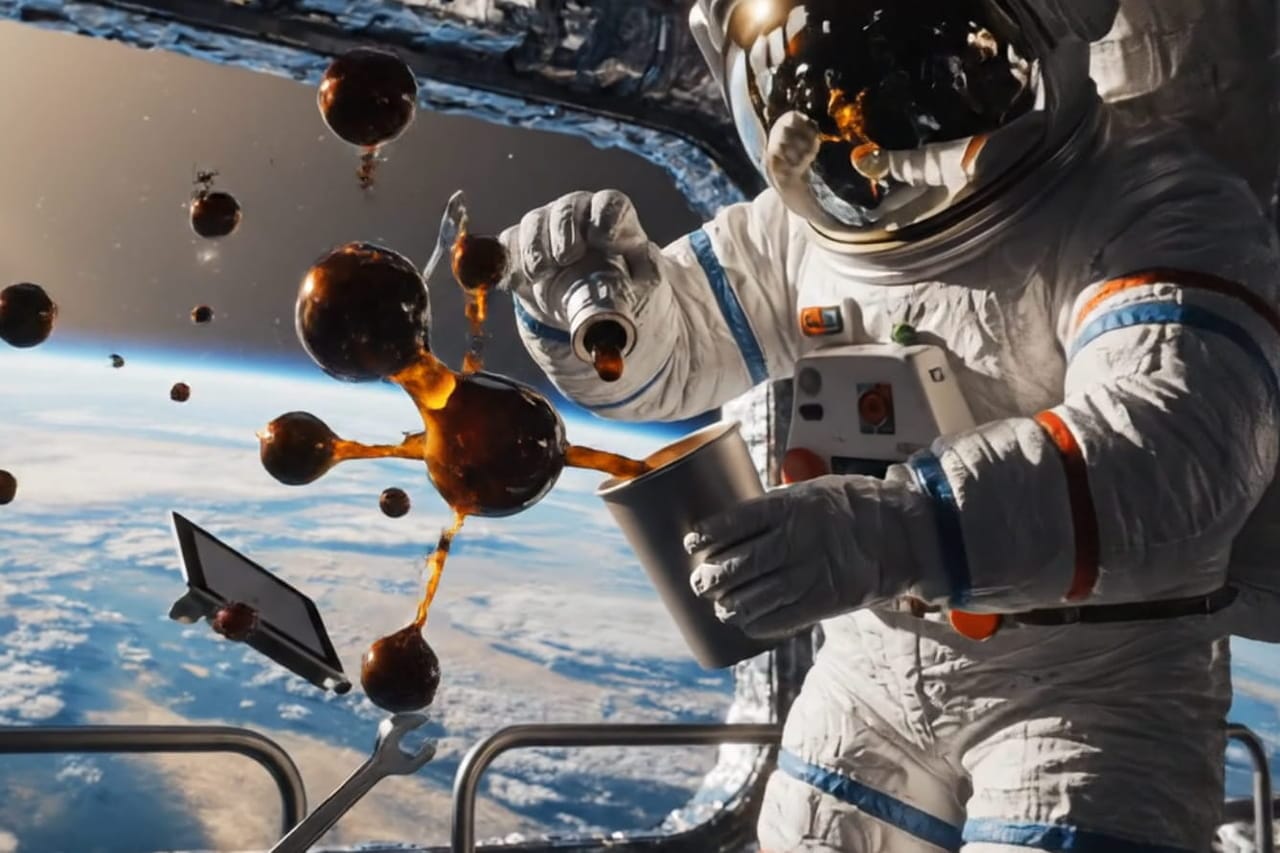
My in-depth tests reveal notable differences between the two models. In terms of physical realism, Sora 2 takes a decisive lead thanks to its advanced understanding of natural laws. The movements of objects, interactions with the environment, and effects of gravity are reproduced with remarkable accuracy. This technical superiority is particularly evident in complex scenes involving multiple moving elements.
However, Veo 3.1 excels in a crucial area: instruction following. During my tests with detailed prompts, Google’s model demonstrated a superior ability to adhere to specific instructions 🎯. This precision in executing requests makes it a particularly suitable tool for marketing professionals who need to control the message conveyed by their videos.
The overall visual quality presents interesting nuances. Sora 2 produces more cinematic images with natural depth of field and realistic textures. Veo 3.1, on the other hand, generates videos with a more polished and immediately usable rendering, featuring harmonious colors and consistent sharpness. This difference in approach meets distinct needs depending on the type of content desired.
Marketing applications and concrete use cases
In the context of digital marketing, these two models open fascinating perspectives. Sora 2 proves particularly effective for creating emotional and immersive content. Its ability to generate realistic scenes with credible characters makes it the ideal tool for advertising campaigns requiring a strong visual impact. Brands can now create promotional videos of cinematic quality without significant production budgets.
Veo 3.1 shines in creating educational and explanatory content. Its precision in following instructions makes it the perfect ally for tutorials, product demonstrations, and training videos 🎓. Companies can automate the production of educational content while maintaining strict control over the message conveyed. This capability revolutionizes the traditional approach to marketing automation.
Integrating these tools into a content marketing strategy requires a thoughtful approach. I recommend using Sora 2 for content intended for social media and emotional campaigns, while Veo 3.1 is better suited for technical videos and corporate presentations. This complementarity optimizes the effectiveness of each model according to the context of use.
Costs, accessibility, and practical considerations
The economic aspect is a determining factor in choosing between these two solutions. Sora 2 adopts a pricing model based on credit consumption, with variable costs depending on the resolution and duration of the generated videos. This flexible approach suits occasional users but can become costly for intensive use. However, the 4K quality and advanced audio features justify this investment for high-end projects.
Veo 3.1 offers a more predictable pricing structure with monthly subscriptions that include a quota of generations. This budget stability appeals to companies looking to integrate video generation into their regular processes 💰. The limitation to 1080P can be offset by the ability to generate longer videos, thus providing better value for certain types of content.
Technical accessibility also differs between the two platforms. Sora 2 requires a steeper learning curve to master its advanced settings, but offers superior creative flexibility in return. Veo 3.1 prioritizes ease of use with an intuitive interface that allows beginners to quickly produce satisfactory results. This difference in approach directly influences the choice based on the expertise level of the team.
Impact on the industry and future perspectives
The emergence of these technologies is radically transforming the creative ecosystem. Traditional video production agencies must rethink their business models in the face of tools capable of generating in minutes what previously required weeks of work. This democratization of video creation opens new opportunities for small businesses and independent creators.
The integration of artificial intelligence into creative workflows also raises important ethical questions. The ability of these models to generate hyper-realistic content necessitates deep reflection on authenticity and transparency ⚙️. The integrated watermarking systems provide a first response, but regulatory evolution will be crucial to frame these uses.
Short-term evolution prospects are promising. OpenAI and Google are investing heavily in improving their respective models, with regular updates that constantly push the limits of what is possible. Future integration with other artificial intelligence tools hints at even untapped creative possibilities, particularly in the automatic personalization of content according to target audiences.
Strategic recommendations for professionals
After this in-depth analysis, my recommendations revolve around your specific objectives. For high-end marketing campaigns requiring maximum visual impact, Sora 2 is the optimal choice. Its ability to generate cinematic content in 4K justifies the investment for premium brands looking to stand out. The native audio integration eliminates the need for post-production, significantly speeding up delivery times.
For companies prioritizing productivity and consistency, Veo 3.1 stands out as the reference solution. Its precision in following instructions and ease of use make it the ideal tool for automating the production of educational and informative content 🚀. The pricing stability allows for precise budget planning, essential for long-term content strategies.
The hybrid approach represents, in my opinion, the most relevant strategy to maximize the advantages of each platform. Using Sora 2 for emotional and promotional content while leveraging Veo 3.1 for technical and educational videos allows for optimizing return on investment. This complementarity requires team training but guarantees maximum creative flexibility suited to all marketing needs.
Conclusion
This in-depth comparison between Sora 2 and Veo 3.1 reveals two distinct but complementary approaches to AI video generation. Sora 2 from OpenAI stands out as the champion of realism and cinematic quality, while Veo 3.1 from Google excels in precision and ease of use. These technologies mark a decisive turning point in the digital marketing industry, democratizing access to professional video creation.
The rapid evolution of these tools requires constant technological monitoring and continuous adaptation of creative strategies. The challenge is no longer to choose between humans and AI, but to create a productive synergy between these two complementary forces to revolutionize video content creation.
📝 In Brief
- Sora 2 excels in realism and 4K quality with native audio integration
- Veo 3.1 prioritizes instruction precision and ease of use
- Both models radically transform marketing video production
- The hybrid approach maximizes the advantages of each platform