Since the announcement of Google Cloud Next 2026 in Las Vegas, one question keeps coming up in conversations among IT directors and innovation leaders: how can we truly transform our operations with AI agents? I must admit that I long thought AI agents were a distant technological promise, reserved for tech giants. But observing Google’s announcements, I realized we are entering a critical phase where agentic AI is becoming the very infrastructure of the modern enterprise. Google is no longer looking to sell isolated tools but aims to become the operating system of your agentic business. This is a major distinction. This article explores how this transformation is taking place, what the real stakes are, and most importantly, how you can start preparing your organization for this new reality. AI agents are no longer laboratory experiments: they are becoming critical components of the operational strategy for companies that want to remain competitive.
📋 Summary
What is the Agentic Enterprise?
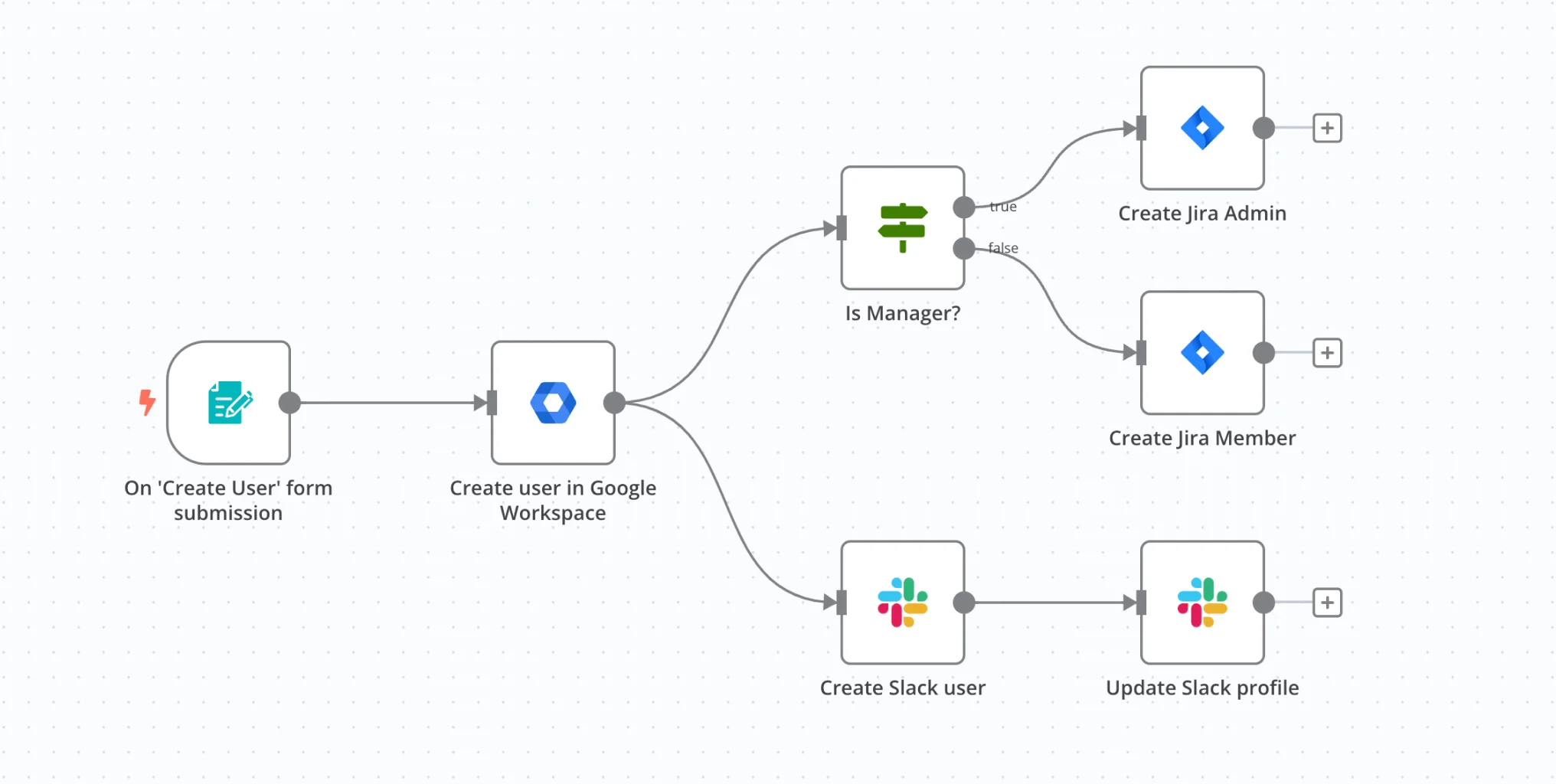
The agentic enterprise is a concept that goes far beyond simple automation. It is an organization where autonomous AI agents work alongside humans, making decisions, executing complex tasks, and collaborating with each other without constant intervention. When I began to explore this concept, I realized we are talking about a fundamental transformation in how businesses operate. It’s not just about adding a chatbot or automating a few processes. It’s about rethinking the very architecture of the organization. AI agents 🤖 can manage complete workflows, from data collection to decision-making, execution, and reporting. Google Cloud offers a platform where these agents can coexist, communicate, and continuously improve.
What makes this approach revolutionary is that autonomous agents are no longer limited to repetitive tasks. They can now handle complex situations, adapt to new contexts, and even learn from their mistakes. I see this as a shift from simple automation to distributed operational intelligence. Companies that understand this distinction will have a significant competitive advantage. Google Cloud Next 2026 demonstrated that tech giants are investing heavily in this direction, which means that tools and frameworks will become increasingly accessible to businesses of all sizes.
The underlying infrastructure is crucial. Agentic operating systems must manage coordination among multiple agents, ensure security, maintain traceability, and allow for seamless integration with existing systems. This is exactly what Google Cloud is trying to build. They are not just selling AI models but a complete platform where agentic becomes the default mode of operation.

Major Announcements from Google Cloud Next 2026
Google unveiled a series of innovations that clearly position the platform as the infrastructure of choice for enterprise AI agents. Among the key announcements were significant improvements in managing agentic workflows, better integration with existing systems, and more sophisticated monitoring tools. I must acknowledge that some of these announcements surprised me with their maturity. Google is no longer talking about prototypes or theoretical concepts. They are presenting production-ready solutions tested in real environments. The AI agents 🚀 offered can now manage complete business processes with reliability comparable to traditional systems.
One of the most important announcements concerns agent governance. Google has developed frameworks to ensure that AI agents comply with company policies, regulations, and security standards. This is a critical element that many organizations overlook when venturing into AI. You cannot simply deploy autonomous agents without control mechanisms. Google Cloud offers solutions to audit agent decisions, understand their logic, and intervene if necessary. This is an important step towards responsible and traceable AI.
Google also announced improvements in agent interoperability. This means that agents built on different platforms can now communicate and collaborate more easily. For a business, this opens up enormous possibilities. You are no longer locked into a single ecosystem. You can combine the best tools and agents to create a solution tailored to your specific needs. This is a major evolution compared to previous approaches where each platform was a closed silo.
How AI Agents Transform Field Operations
I see more and more companies using AI agents for field operations. This is an area where the impact is immediate and measurable. Agents can coordinate teams in the field, optimize routes, manage inventory in real-time, and even make decisions on intervention priorities. AI agents 📍 are transforming what was once a manual and inefficient process into a smooth and intelligent system. I believe this is one of the most promising applications of agentic AI.
Let’s take a concrete example: an industrial maintenance company. Previously, technicians received their tasks via a centralized system, often inefficient. Now, with autonomous agents, the system can analyze maintenance requests, assess the skills of available technicians, optimize routes, and even predict failures before they occur. Agents communicate directly with technicians via mobile interfaces, providing them with the exact information they need when they need it. The result? A reduction in response time, better customer satisfaction, and more efficient use of resources.
What really impresses me is the agents’ ability to adapt in real-time. If a situation changes in the field, the agent can immediately readjust priorities and resource allocations. This is an operational flexibility that traditional systems simply cannot offer. Google Cloud provides tools to build and deploy these agents quickly, meaning even SMEs can now access this technology.
Challenges of Agentic Implementation
Of course, not everything is rosy. Implementing an agentic infrastructure presents significant challenges. The first is technical complexity. Building reliable AI agents that can operate in production is not trivial. You have to manage errors, edge cases, interactions between agents, and integrations with existing systems. The technical challenges 🔧 are real and should not be underestimated. I see too many organizations diving into AI without understanding the depth of these challenges.
The second challenge is organizational. AI agents change the way people work. Some roles will disappear, others will transform. Teams need to be prepared for this transition, trained on new tools, and a culture of acceptance of AI must be created. This is a major organizational change that cannot be ignored. The companies that succeed are those that treat AI as a holistic transformation, not just an IT project.
The third challenge is governance and compliance. AI agents make decisions that can have legal and ethical implications. How do you ensure that these decisions comply with regulations? How do you audit and explain the actions of agents? These are critical questions that Google Cloud is trying to address with its governance frameworks. But this is a constantly evolving area, and organizations must remain vigilant.
Preparing Your Organization for Agentic
If you are considering venturing into agentic AI, here’s what I recommend. Start with an honest assessment of your current IT infrastructure. Do you have the necessary foundations? Is your data of sufficient quality? Can your systems communicate with each other? Preparation 🏗️ is essential. I see too many organizations wanting to jump straight to AI agents without having the basics in place. This is a recipe for failure.
Next, identify priority use cases. Where can you achieve the greatest impact with AI agents? Start with pilot projects in these areas. Learn, iterate, and improve. This is a much more cautious and effective approach than trying to transform everything at once. Pilot projects allow you to validate your approach, train your teams, and build internal expertise. Google Cloud offers tools and services to facilitate this gradual approach.
Finally, invest in training and skill development. Agentic AI is a new field, and talent is scarce. You need to train your internal teams, recruit experts, and create a culture of continuous learning. This is a long-term investment that will be crucial for your success. Organizations that build internal expertise in agentic AI will have a lasting advantage over their competitors.
The Future of the Agentic Enterprise
Looking ahead, I am convinced that agentic AI will become the norm, not the exception. Companies that do not adopt this technology risk falling behind. Google Cloud, with its 2026 announcements, clearly shows the direction the industry is heading. AI agents 🌟 will become as common as databases or web servers. This is a major transformation that is already underway.
What truly excites me is the potential for innovation. Once you have an agentic platform in place, the possibilities are almost endless. You can create agents for virtually any business process. You can combine them to create complex and intelligent systems. You can quickly adapt them to new challenges. This is a flexibility and power that traditional systems simply cannot offer.
But there are also responsibilities. As AI agents become more powerful and autonomous, we must ensure they are used responsibly and ethically. This is a societal challenge that we must all tackle together. Businesses, governments, and researchers must collaborate to create frameworks that ensure agentic AI benefits everyone. To learn more about how AI is transforming marketing, check out our guide on AI and the marketing revolution.
Conclusion
Google Cloud Next 2026 marked a turning point in the evolution of enterprise AI. The announcements regarding AI agents and agentic infrastructure show that we are no longer talking about theoretical concepts but about production-ready solutions. I am convinced that organizations that start exploring this technology now will have a significant advantage in the years to come. Agentic AI is not a passing trend; it is a fundamental transformation in how businesses operate. If you have not yet started preparing your organization for this transition, now is the time to do so.
The future belongs to companies that can integrate AI agents intelligently and responsibly. It is not just a matter of technology but of vision, strategy, and the willingness to transform. Google Cloud provides the tools, but it is up to you to use them to create a smarter, more efficient, and more agile business. To deepen your understanding of intelligent automation, check out our article on the Model Context Protocol and intelligent automation. The journey to the agentic enterprise starts now.
📝 In Brief
- The agentic enterprise transforms operations by using autonomous AI agents that work alongside humans
- Google Cloud Next 2026 announced a complete platform for building, deploying, and managing AI agents in production
- AI agents offer unprecedented operational flexibility and efficiency, particularly for field operations
- Successful implementation requires technical preparation, organizational readiness, and appropriate governance
- Organizations that adopt agentic AI now will have a sustainable competitive advantage in the years to come