In a world where information flows at lightning speed, staying updated on the latest marketing trends can quickly become a significant challenge. I still remember those mornings when I would spend hours browsing various websites, blogs, and social media to ensure I didn’t miss anything important. Fortunately, artificial intelligence has revolutionized this tedious approach.
Today, creating a custom AI agent to automate your marketing monitoring is no longer reserved for large tech companies. With tools like n8n and generative AI APIs, it is now possible to develop tailored solutions that analyze, filter, and synthesize information according to your specific criteria.
This approach radically transforms the way we consume professional information. Rather than being overwhelmed by a constant stream of data, we can now master and adapt it to our precise needs. In this article, I will explain how I set up my own automation system and how you can do the same to optimize your marketing strategy.
📋 Summary
📝 In brief
- Automating marketing monitoring can save up to 80% of time spent on information gathering
- AI agents can analyze and filter hundreds of sources simultaneously according to your criteria
- N8n offers an accessible solution for creating automation workflows without advanced technical skills
- Integrating generative AI APIs allows for in-depth semantic analysis of content
- A well-configured system can transform your strategic approach to digital marketing
The Fundamentals of Intelligent Monitoring Automation
Automating marketing monitoring represents much more than just a time saver. It is a methodological revolution that transforms our relationship with strategic information. Unlike traditional monitoring tools that merely aggregate content, modern AI agents bring an unprecedented analytical dimension.
The fundamental difference lies in these systems’ ability to understand context and nuance. While a classic RSS feed overwhelms you with articles, a well-configured AI agent evaluates the relevance of each piece of content according to your specific business objectives. This approach allows for a shift from passive consumption to an active intelligence strategy.
In my daily practice, I have found that this transformation comes with a significant paradigm shift. Instead of searching for information, qualified information comes to us. This inversion of the process frees up valuable time for strategic analysis and decision-making, two high-value activities that only humans can truly master.
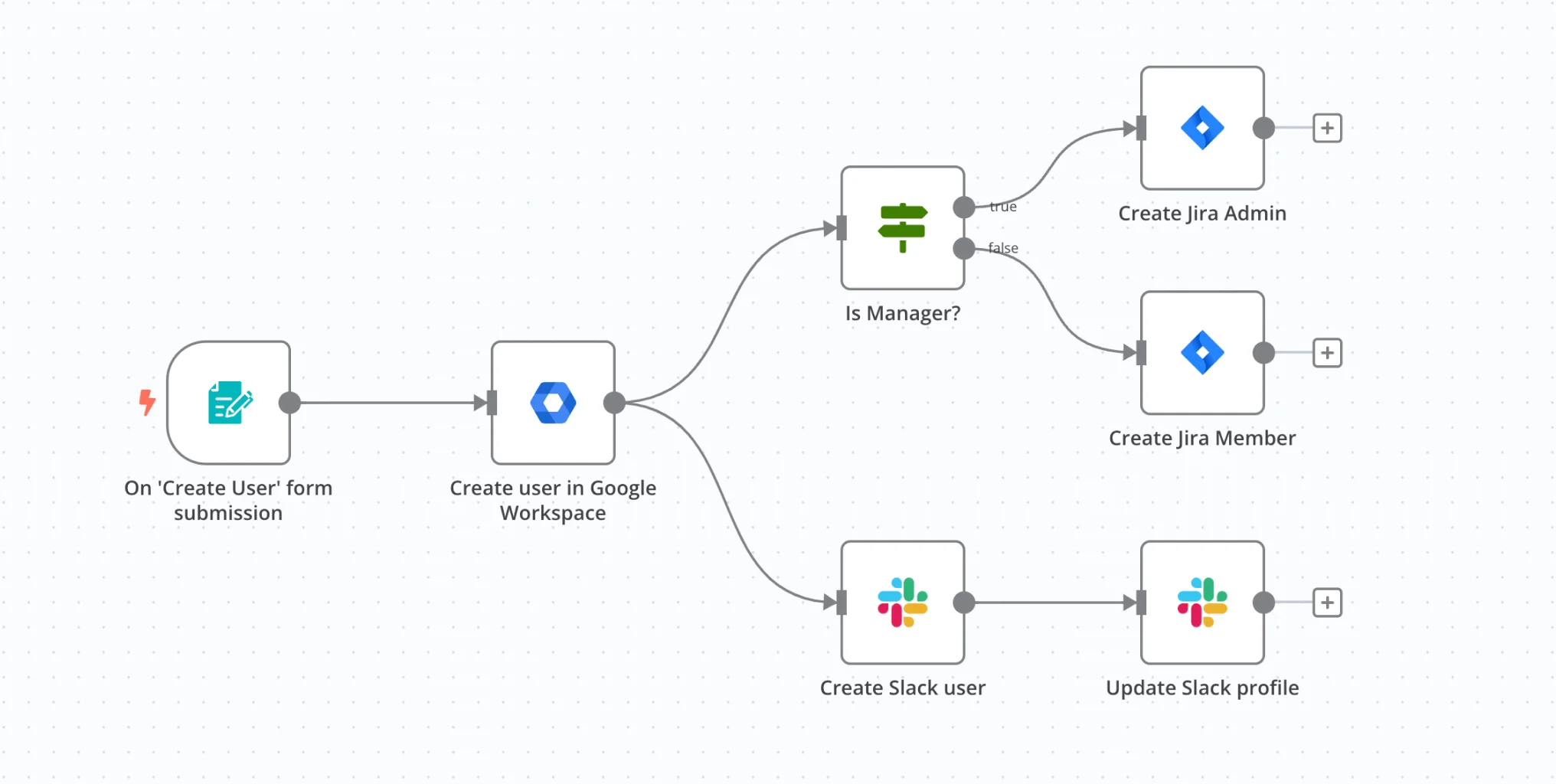
The current technological ecosystem offers remarkable possibilities for implementing this approach. Platforms like n8n facilitate automation without requiring deep technical skills, while generative AI APIs democratize access to semantic analysis capabilities once reserved for research laboratories.

Technical Setup: Creating Your First Analysis Workflow
Setting up an AI agent for marketing monitoring begins with designing a robust architecture. My experience has taught me that initial simplicity is the key to long-term success. It is better to start with a basic but functional system than to dive into a complex configuration that may pose maintenance issues.
The first workflow focuses on data collection and analysis. This crucial step determines the quality of the entire processing chain. I personally use a time-based trigger that activates the process every hour during business hours, allowing for continuous monitoring without overloading the APIs.
Integrating RSS feeds is the natural starting point, but the real added value lies in the intelligent analysis layer. By configuring Gemini 1.5 Flash with specialized prompts, the system can evaluate the relevance of each article according to specific business criteria. This approach effectively filters out informational noise while retaining important weak signals.
Data management requires special attention. I opted for Google Sheets as an intermediate storage solution, mainly for its ease of integration and collaboration capabilities. This approach also facilitates debugging and allows for real-time adjustments to filtering criteria based on feedback.
One of the most delicate aspects concerns managing API costs. To optimize expenses, I recommend setting strict limits on AI usage and regularly monitoring consumption. A poorly managed configuration can quickly generate significant costs, especially if the system processes large volumes of content.
Advanced Optimization and Customizing Relevance Criteria
Once the basic system is operational, optimization becomes the main challenge to maximize the value of your automated monitoring. This phase requires an iterative approach where each adjustment is based on the analysis of previous results. In my case, I found that it took about three weeks to sufficiently refine the parameters and achieve a satisfactory relevance rate 🎯.
Customizing relevance criteria is at the heart of this optimization. Rather than settling for a simple rating, I developed a multidimensional scoring system that evaluates different aspects: the novelty of the information, its sector relevance, its potential impact on our activities, and its source credibility. This nuanced approach allows for capturing signals that more basic systems would miss.
Enriching the prompt is a particularly effective improvement lever. By integrating concrete examples of relevant and irrelevant articles, the AI gradually refines its understanding of your expectations. This “few-shot learning” technique significantly improves filtering accuracy without requiring complex technical modifications.
Managing false positives and false negatives requires constant attention. I set up a feedback system that allows me to mark misclassified articles and automatically adjust the criteria. This continuous improvement loop turns each error into a learning opportunity for the system.
Integrating multiple sources complicates analysis but significantly enriches results. By combining RSS feeds, social media APIs, and web analytics data, the system can identify emerging trends and correlations that manual analysis would not reveal. This holistic approach transforms monitoring into true economic intelligence.
Measuring Impact and Avoiding Common Pitfalls
Evaluating the effectiveness of an automated monitoring system requires precise metrics and a methodical approach. Contrary to popular belief, the volume of information processed is not a relevant indicator. What truly matters is the quality of the insights generated and their impact on your strategic decisions.
In my practice, I identified several essential KPIs: the relevance rate of selected articles, the response time to emerging trends, and, most importantly, the number of concrete actions triggered by the collected information. This last metric reveals the true added value of the system by measuring its ability to positively influence your marketing strategy.
The most common pitfalls involve over-optimization and technological dependency. I have observed that some users spend more time fine-tuning their system than leveraging the information it generates. This technical drift loses sight of the initial goal: improving marketing decision-making through quality information.
Managing algorithmic biases presents a particular challenge. AIs tend to reproduce and amplify our existing preferences, potentially creating dangerous blind spots. To counter this effect, I regularly integrate contradictory sources and periodically review filtering criteria to maintain a balanced perspective.
The cost-benefit aspect deserves special attention. A poorly sized system can quickly become more expensive than manual monitoring, especially when considering maintenance time and API fees. The key lies in identifying the optimal balance point between automation and human intervention, always keeping in mind that AI should augment human intelligence, not replace it 🚀.
Data security is a crucial but often overlooked issue. Monitoring information can reveal sensitive strategic elements. It is essential to choose API providers that respect privacy and implement appropriate protection measures, especially if you handle customer data or competitive information.
Conclusion
After several months of experimenting with different automation systems for monitoring, I can affirm that this approach fundamentally transforms our relationship with marketing information. The initial investment in time and configuration quickly proves to be worthwhile, not only in terms of operational efficiency but especially in the quality of the insights generated.
What strikes me most is these systems’ ability to reveal invisible patterns to the human eye. By analyzing hundreds of sources simultaneously, AI detects weak signals and correlations that we would have missed. This predictive dimension opens new perspectives for anticipating trends and proactively adapting marketing strategies.
The future of marketing monitoring clearly lies in this hybridization between artificial intelligence and human expertise. Tools are evolving rapidly, costs are decreasing, and accessibility is constantly improving. For marketing professionals, mastering these technologies becomes a decisive competitive advantage in an increasingly dynamic and unpredictable environment 💡.
My advice for getting started: keep it simple, test quickly, and iterate continuously. The perfect automation does not exist, but an imperfect system that works is better than a perfect project that never sees the light of day. The important thing is to take the plunge and start experimenting today.