For the past few years, I have observed a major transformation in the way users discover brands and content online. AI discovery is no longer a futuristic trend; it is a reality that completely redefines the landscape of digital marketing. According to the latest study by Previsible, Google remains the primary AI discovery engine, even though ChatGPT dominates measurable referrals from autonomous AI assistants. This fascinating duality shows that we are living in a pivotal time where two approaches coexist: that of Google, integrated into its search ecosystem, and that of ChatGPT, operating as an independent platform. The study covers data from November 2024 to May 2026 and analyzes 6.77 million sessions generated by language models across 166 websites. What I find particularly interesting is that these figures reveal not only how users find content but also how marketing strategies must evolve to remain relevant. Brands that understand this dynamic will have a significant competitive advantage in the years to come.
📋 Summary
Google Remains the Indispensable Giant of AI Discovery
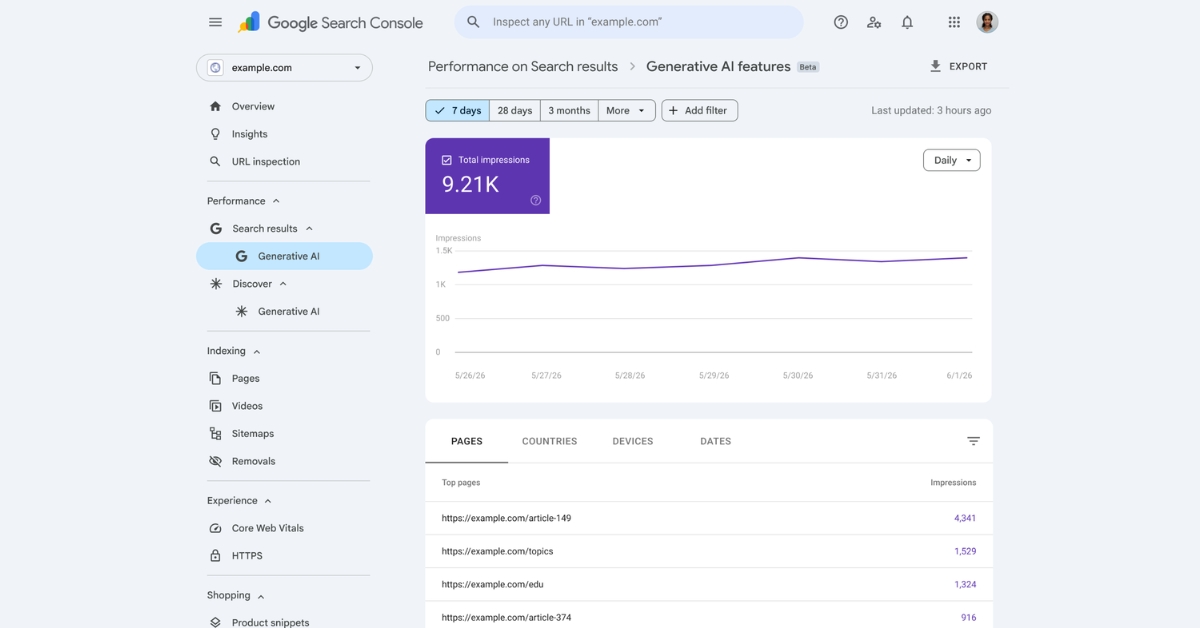
When we talk about AI discovery, most people immediately think of ChatGPT. However, the data shows a different reality. Google, with its AI Overviews and AI Mode features, generates a traffic volume far greater than all autonomous AI assistants combined. I must admit that this result surprised me at first, as discussions on social media often seem dominated by ChatGPT. However, when we look at the actual numbers, Google still controls the majority of AI-influenced traffic. The websites analyzed in the study cover various sectors: SaaS, e-commerce, finance, legal, health, insurance, education, publishing, and ticketing. This diversity shows that Google’s dominance 🔍 extends across all sectors, not just a few specific niches.
What particularly interests me is that Google AI Overviews and AI Mode operate under a different measurement model than autonomous assistants. Previsible explicitly excluded Google AI Overviews from its analysis of autonomous AI assistants because Google’s AI features do not produce traceable referral sessions in the same way. This means that SEO strategies must take this important distinction into account. Brands need to optimize their content not only to appear in traditional search results but also to be cited by Google’s AI systems. This is a major evolution that requires a holistic approach to SEO.
The websites included in the study show that AI visibility varies significantly depending on the type of content and the structure of the site. Internal search results pages, product pages, and blog articles are the most common surfaces where AI traffic lands. This information is crucial for marketing teams that need to prioritize the optimization of these specific pages. I strongly recommend that companies start by analyzing which pages receive the most AI traffic and prioritize optimizing those pages.
ChatGPT Dominates Autonomous AI Assistants with 92.4% of Referrals
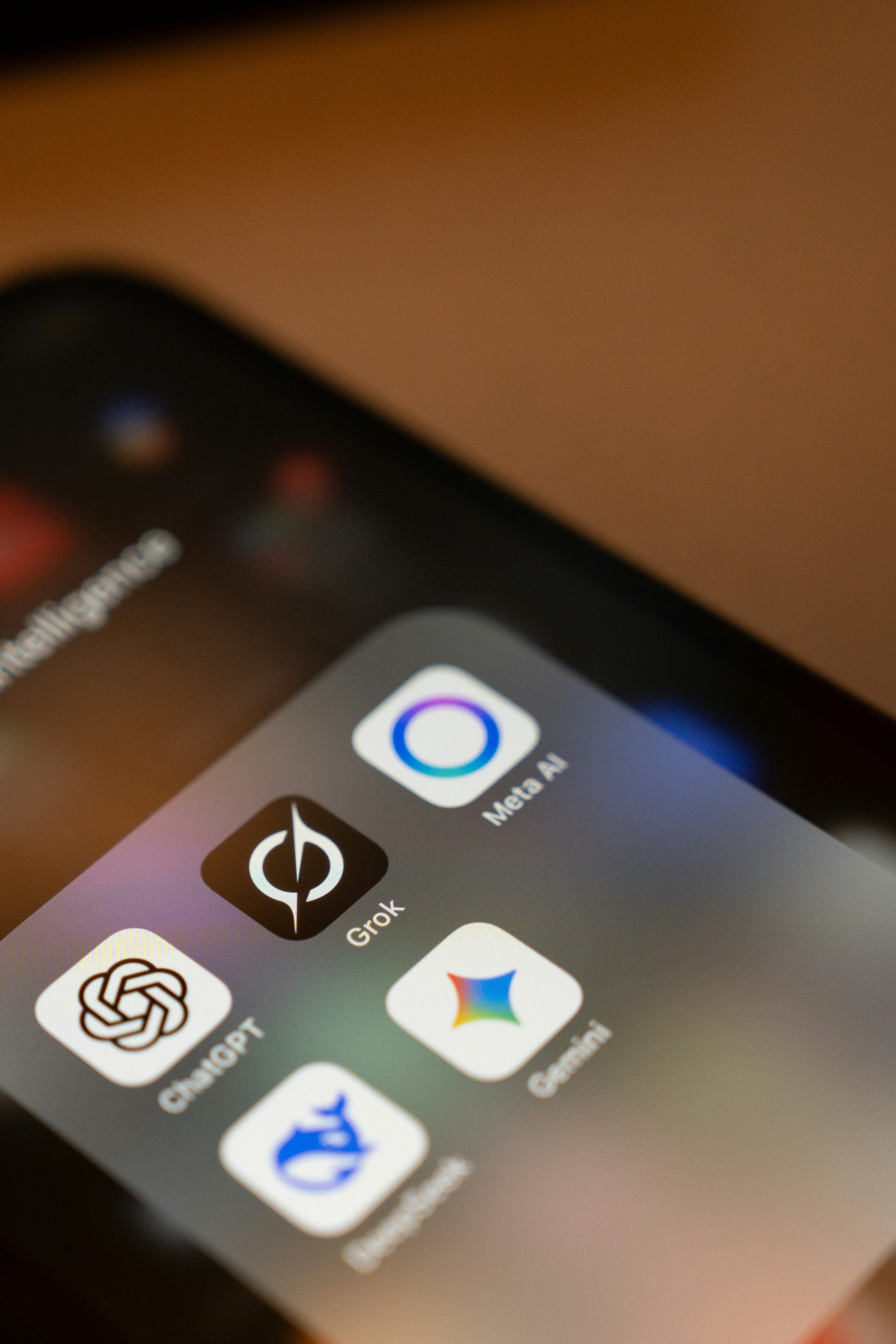
Now, let’s talk about ChatGPT, which reigns supreme in the segment of autonomous AI assistants. With 92.4% of measurable referral traffic coming from autonomous AI assistants, ChatGPT has established overwhelming dominance. This figure has increased since December 2025, when ChatGPT accounted for about 84% of traffic. This rapid growth shows that ChatGPT is consolidating its position as the undisputed leader in the field of conversational AI assistants. I must emphasize that this dominance is not accidental: OpenAI has invested heavily in improving the quality of responses and user experience. The traffic from ChatGPT 💬 has exploded, rising from 47,606 sessions in November 2024 to 610,910 in May 2026, an increase of 12.8 times in 19 months.
What really impresses me is the consistency of this growth despite a temporary dip in November 2025. ChatGPT referrals dropped from 448,412 in October 2025 to 213,345 in November 2025, before rebounding to 442,609 in December 2025. The study does not attribute this decline to a confirmed single cause, but it shows that even market leaders experience fluctuations. However, the quick recovery demonstrates the resilience of the ChatGPT model and the continued trust of users. For marketers, this means that ChatGPT remains a reliable and steadily growing discovery channel.
Other AI assistants have also recorded growth, but at a much slower pace. Gemini increased 3.2 times and became the second most visible assistant, while Claude experienced spectacular growth of 64 times, rising from 133 sessions in November 2024 to 8,528 in May 2026. Perplexity and Copilot recorded declining performances, with Perplexity dropping from 17,507 sessions in March 2025 to 6,788 in May 2026. These data show that the market for AI assistants is not stagnant, and new entrants like Claude can gain ground quickly.
Sectoral Variations: Where AI Generates the Most Traffic
One of the most fascinating discoveries of the study concerns the sectoral variations of AI traffic. E-commerce recorded a spectacular 37-fold increase in AI traffic, making it the most impacted sector by AI discovery. I believe this is because users are using AI assistants to get product recommendations and compare options before purchasing. Product pages have become the main landing surface for AI traffic in e-commerce, which means that optimizing product listings has become critical. The insurance sector also recorded an impressive growth of 18.9 times, rising from 0.08% to 1.51% of total traffic. Education increased 5.4 times, while finance rose from 0.56% to 1.19%. Small businesses 📊 saw their AI traffic increase from 0.4% to 1.71%, showing that AI discovery is not just for large companies.
However, health is the only sector where AI traffic declined, dropping from 0.23% to 0.17%. I suppose this could be due to concerns about the reliability of medical information provided by AI assistants, or simply to less frequent use of AI assistants for health-related questions. In any case, this reverse trend is important to note for companies in the health sector. AI traffic remains a small part of total traffic in most sectors, but the concentration varies significantly depending on the type of page and industry. Conversion pages, including sign-up, registration, and product access, recorded AI traffic ratios exceeding 2% in some cases, showing that users are not just browsing; they are also converting.
What particularly interests me is that AI traffic is not evenly distributed across all types of pages. In SaaS, internal search pages account for 34.6% of AI referrals, while in publishing, news pages represent 54% of AI referrals. In education, course pages account for 52% of AI referrals. This heterogeneous distribution means that optimization strategies must be tailored to each sector and type of page. Marketing teams need to analyze their own data to understand where AI traffic lands on their site and prioritize optimizing those pages.
Optimizing for AI Discovery: SEO Fundamentals Remain Essential
David Bell, product director at Previsible and author of the report, highlighted a crucial point: SEO fundamentals are more important than ever in the age of AI discovery. He stated that “the foundation that brands have built in search matters more than ever.” This means that companies that have invested in good site architecture and strong content signals are better positioned to appear in AI results. I agree with this perspective, as AI systems rely on the same signals as Google to assess the quality and relevance of content. Optimizing for AI discovery is not a completely new strategy; it is rather an evolution of existing SEO practices. Citation strategies 🎯 need to be strengthened so that AI systems want to cite your content.
Previsible recommends five key areas of optimization for AI discovery. First, build citation-worthy evidence by creating original and well-documented content. Second, improve authority on trusted third-party sources, which means obtaining mentions and backlinks from reputable sites. Third, make websites easier to read and extract for AI systems, which involves good HTML structure and structured data. Fourth, optimize for response journeys, meaning understanding how users ask questions and providing complete and well-organized answers. Fifth, measure business impact rather than focusing solely on overall visibility. These recommendations are practical and applicable to most businesses, regardless of their size or sector. I strongly recommend that marketing teams start by auditing their website against these five criteria.
Jordan Koene, CEO of Previsible, also emphasized the importance of measuring AI traffic by page type rather than relying solely on site-level averages. This granular approach allows teams to understand exactly where AI traffic lands and how it converts. Data shows that AI traffic varies significantly by page type, including pricing, product, course, and conversion pages. Granular metrics are essential for effective optimization. I think this is crucial advice that many companies overlook, focusing on overall metrics rather than specific page performance.
The Future of AI Discovery: Trends and Perspectives
Looking ahead, I see several clear trends that will shape the landscape of AI discovery. First, the share of AI traffic will continue to increase, even though it currently remains a small fraction of total traffic. Data shows a 9.9-fold growth in autonomous AI traffic between November 2024 and May 2026, which is a remarkable increase. Second, the competition among AI assistants will intensify, with new entrants like Claude quickly gaining ground. Third, marketing strategies must evolve to account for this new reality. Marketing teams can no longer ignore AI discovery, as it represents a growing and high-quality traffic channel. I believe that companies that quickly adopt AI optimization strategies will have a significant competitive advantage in the years to come. 🚀
Another important point is that AI traffic will not replace traditional search traffic but will complement it. Google will continue to dominate online discovery, but autonomous AI assistants will capture an increasing share of traffic. Therefore, brands must optimize for both channels simultaneously. This means investing in traditional SEO while building a presence in AI assistants. Omnichannel strategies will be essential to maximize visibility and traffic. I recommend that companies start measuring and optimizing their AI traffic now, before competition intensifies further.
Finally, I believe that content quality will remain the most important factor for AI discovery. AI systems are designed to cite and recommend high-quality, well-documented, and original content. Companies that invest in creating excellent content will always have an advantage, whether in traditional or AI discovery. Content investments will continue to yield long-term returns. I am convinced that companies that understand this dynamic and act quickly will be the winners in this new era of AI discovery.
Conclusion
The Previsible study reveals a nuanced reality: Google still dominates overall AI discovery, but ChatGPT reigns supreme among autonomous AI assistants. This duality creates opportunities and challenges for marketing teams. I believe that the key to success lies in understanding these two channels and optimizing for both simultaneously. The SEO fundamentals remain essential, but they must be complemented by strategies specific to AI discovery. Companies that act quickly and adopt a holistic approach will have a significant competitive advantage.
In conclusion, I recommend that all companies start measuring and optimizing their AI traffic now. Data shows that AI discovery is a sustainable and growing trend, not a passing fad. Marketing teams should audit their websites, identify the pages that receive the most AI traffic, and prioritize optimizing those pages. Investments in AI discovery will generate significant returns in the coming years. The time to act is now.
📝 In Brief
- Google dominates overall AI discovery with its AI Overviews and AI Mode features, generating more traffic than all autonomous AI assistants combined
- ChatGPT reigns over autonomous AI assistants with 92.4% of measurable referral traffic, growing 12.8 times between November 2024 and May 2026
- E-commerce recorded the highest increase in AI traffic (37 times), while health is the only sector in decline
- SEO fundamentals remain essential for AI discovery, with a particular focus on content quality, site architecture, and authority signals