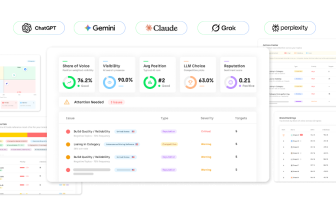
In 2026, we are witnessing a radical transformation of field operations thanks to agentic artificial intelligence. This technological revolution is no longer just about optimizing a few isolated processes; it is becoming the essential strategic foundation for any modern organization. I observe daily in my work that companies integrating these AI agents into their field operations gain a significant competitive edge over their rivals. Agentic AI represents a major evolution compared to traditional systems: these autonomous agents can analyze, decide, and act in real-time without constant human intervention. They fundamentally transform the way field teams collect data, interact with customers, and optimize their journeys. This distributed intelligence allows companies to react instantly to market changes, anticipate customer needs, and proactively optimize their resources. In this article, I propose to explore how this revolutionary technology is redefining the standards of field operations and what concrete opportunities it offers visionary companies that dare to take the leap into digital transformation.
📋 Summary
The Emergence of Autonomous AI Agents in the Field
The year 2026 marks a decisive turning point in the adoption of agentic AI for field operations. These intelligent agents 🤖 are no longer just assistance tools but are becoming true autonomous partners capable of making complex decisions in real-time. Unlike traditional chatbots, these advanced systems can analyze the environment, understand the context, and adapt their actions according to the situations encountered.
Market-leading companies are now integrating these conversational agents directly into their operational processes. These systems can simultaneously manage multiple tasks: route planning, stock optimization, emergency management, and communication with customers. This revolutionary versatility allows field teams to focus on higher-value tasks.
I notice that this evolution is accompanied by a remarkable technological democratization. Agentic AI solutions are becoming more accessible to SMEs through no-code platforms and flexible pricing models. This accessibility radically transforms the competitive landscape by enabling smaller structures to access technologies once reserved for large corporations.

Predictive Resource Optimization and Intelligent Planning
Predictive planning represents one of the areas where agentic AI particularly excels. These systems continuously analyze historical data, weather conditions, consumption trends, and local events to optimize 📊 resource allocation. This proactive approach significantly reduces operational costs while improving service quality.
AI agents can now anticipate demand spikes with remarkable accuracy. They automatically adjust schedules, redistribute teams, and optimize stock based on generated forecasts. This anticipatory capability transforms field operations management from a reactive approach to a proactive and intelligent strategy.
Integration with CRM systems allows for perfect synchronization between customer data and field operations. Agents can thus personalize interventions based on customer history, optimize visit paths, and offer relevant additional services. This intelligent personalization significantly enhances the customer experience and increases conversion rates.
Transformation of Customer Experience and Personalized Interaction
Agentic AI fundamentally revolutionizes the customer relationship in field operations. These agents can maintain natural conversations, understand emotional nuances, and adapt their communication according to each interlocutor’s profile. This capacity for artificial empathy 💬 creates more human and personalized interactions than ever before.
Customers now benefit from a 24/7 service thanks to these intelligent agents who can handle requests, schedule interventions, and resolve simple issues without human intervention. This constant availability significantly improves customer satisfaction and reduces response times. Agents can also automatically escalate complex situations to the appropriate human teams.
Feedback collection also becomes more sophisticated with agentic AI. These systems can analyze customer sentiments in real-time, identify signals of satisfaction or dissatisfaction, and trigger immediate corrective actions. This responsiveness allows companies to continuously improve their services and retain their clientele more effectively.
Security and Compliance Enhanced by Artificial Intelligence
Data security is a major issue in the adoption of agentic AI for field operations. Modern agents integrate advanced encryption protocols and multi-factor authentication mechanisms to protect sensitive information. This secure approach 🔒 reassures companies and facilitates the adoption of these innovative technologies.
Agentic AI systems can also ensure automated regulatory compliance. They check in real-time for adherence to industry standards, automatically generate compliance reports, and alert teams in case of detected non-compliance. This automation significantly reduces legal and administrative risks.
The automation of security processes also allows for complete traceability of actions taken in the field. Each intervention is documented, timestamped, and geolocated, creating a detailed history that facilitates audits and improves operational accountability. This transparency strengthens the trust of customers and business partners.
Implementation Challenges and Successful Adoption Strategies
Implementing agentic AI in field operations presents considerable technical challenges that companies must anticipate. Training teams, integrating with existing systems, and managing organizational change require a structured and gradual approach. I always recommend starting with pilot projects 🚀 before deploying these technologies on a large scale.
Resistance to change often constitutes the main obstacle to overcome. Field teams may fear being replaced by these intelligent agents, so it is crucial to communicate clearly about the complementarity between humans and AI. These technologies aim to enhance human capabilities, not replace them, by automating repetitive tasks to free up time for higher-value activities.
Choosing the right technology partners is crucial for the success of these projects. It is essential to prioritize scalable solutions that are compatible with the existing ecosystem and have robust technical support. Support from experts in artificial intelligence greatly facilitates this transition and maximizes the chances of success in digital transformation.

Evolution Perspectives and Future Trends
The future of agentic AI in field operations looks particularly promising with the emergence of new cognitive capabilities. The next generations of agents will be able to process multimodal data (text, image, voice, video) simultaneously, offering an even finer understanding of field situations. This evolution 🔮 will open new use cases and significantly improve the accuracy of analyses.
Integration with the Internet of Things (IoT) and augmented reality technologies will create revolutionary connected ecosystems. AI agents will be able to interact directly with equipment, sensors, and field devices to automatically optimize performance and anticipate maintenance. This widespread interconnection will radically transform the management of infrastructures and equipment.
I also foresee an accelerated democratization of these technologies thanks to no-code platforms and pre-trained AI models. Companies will be able to create their own specialized agents without in-depth technical skills, democratizing access to artificial intelligence for all sectors. This accessibility will foster innovation and accelerate overall digital transformation.
Conclusion
Agentic AI undeniably represents a major revolution for field operations in 2026. This technology fundamentally transforms the way companies interact with their customers, optimize their resources, and manage their operational processes. I am convinced that organizations that embrace this transformation now will gain a decisive competitive advantage in their market.
The benefits are tangible: improved operational efficiency, personalization of the customer experience, cost reduction, and resource optimization. However, the success of this transformation requires a strategic approach, adequate team training, and quality technical support. The future belongs to companies that can combine human intelligence and artificial intelligence to create effective and sustainable synergies.
📝 In Brief
- Agentic AI transforms field operations with autonomous agents capable of complex real-time decisions
- Predictive planning optimizes resource allocation and anticipates demand spikes with precision
- The customer experience is revolutionized by personalized interactions and 24/7 service availability
- Security and compliance are enhanced by automated protocols and complete traceability
- Successful implementation requires a gradual approach, team training, and the right partner choices
- Future perspectives include IoT integration, augmented reality, and democratization through no-code