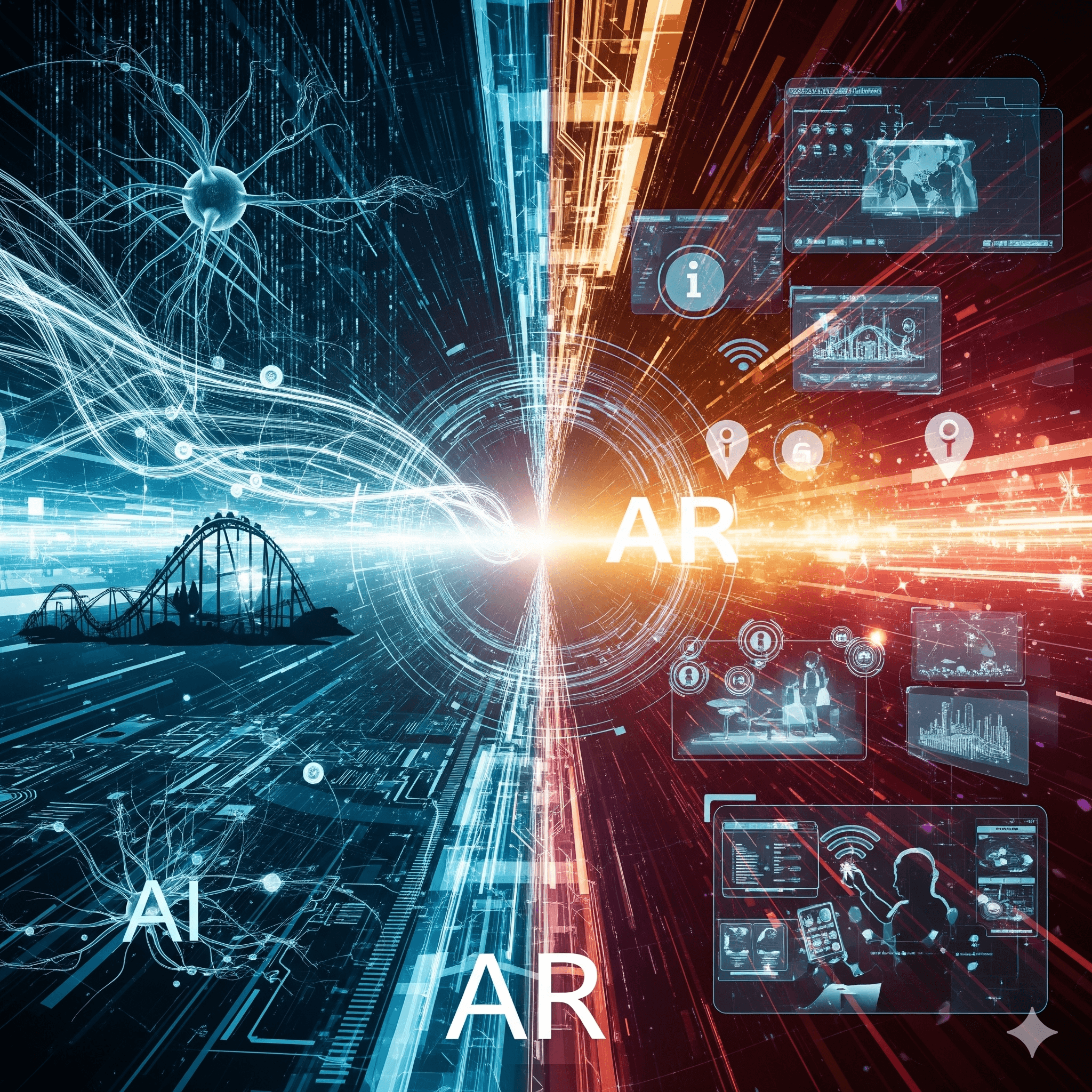
The leisure industry is undergoing an unprecedented digital transformation. Between amusement parks, museums, entertainment centers, and cultural spaces, operators are discovering how artificial intelligence and augmented reality are completely redefining the visitor experience. This evolution is no longer limited to simple technological gadgets: it has now become the core of a modern marketing strategy focused on personalization and engagement. I see daily how these innovations transform the relationship between brands and their audiences, creating unprecedented opportunities to captivate, retain, and convert visitors. Immersive technologies today allow for exceeding traditional expectations to offer unique, memorable moments perfectly tailored to individual preferences. This technological revolution is accompanied by a profound shift in consumer behavior, where the experience takes precedence over the product itself.
📋 Summary
[content h2]
Artificial Intelligence in Customer Personalization
Artificial intelligence is revolutionizing the way leisure companies design and deliver their experiences. Unlike traditional approaches that offered uniform pathways, AI now enables the creation of tailor-made experiences in real-time. Machine learning algorithms analyze behavioral data, stated preferences, and past interactions to instantly adapt the content, intensity, and duration of attractions.
In modern theme parks, this smart personalization is manifested through rides that adjust their intensity based on visitors’ biometric data, escape rooms that modify their puzzles according to the detected skill level, or guided tours that adapt to the specific interests of each group. This transformed approach generates exceptional satisfaction rates and significantly increases the average duration of visits.
AI also optimizes marketing operations in the background. It predicts visitor flows, anticipates peak periods, and automatically adjusts prices and promotional offers. Intelligent recommendation systems suggest complementary activities, merchandise, or additional services perfectly aligned with detected preferences, thereby maximizing the average basket size and conversion 🎯.
This operational intelligence extends to predictive maintenance of equipment, reducing downtime and ensuring a smooth experience. Chatbots and virtual assistants integrated into mobile applications respond instantly to visitor inquiries, effectively guide them, and collect valuable data to continuously improve the service offering.

Augmented Reality as a Marketing Engagement Lever
Augmented reality radically transforms visitor engagement by overlaying interactive digital elements onto the physical world. This technology creates unique marketing opportunities by allowing brands to tell immersive stories, offer interactive games, and generate spontaneous sharing moments on social media. Visitors become active participants in their experience rather than mere passive spectators.
AR applications in cultural spaces perfectly illustrate this potential. Museums now use glasses or smartphones to bring history to life, animate static artworks, and offer personalized thematic tours. These experiences generate deep emotional engagement and encourage positive word-of-mouth, a true driver of organic growth for cultural institutions.
In the commercial entertainment sector, augmented reality enables the creation of memorable experiential marketing campaigns. Shopping centers integrate virtual treasure hunts that guide visitors to different stores, amusement parks offer selfies with exclusive virtual characters, and restaurants create interactive menus that showcase dishes in 3D before ordering.
This technology also excels in the collection of valuable behavioral data. Each interaction with augmented elements provides insights into preferences, attention spans, and navigation paths. This information feeds into digital marketing strategies and allows for continuous optimization of campaigns to maximize impact and return on investment.
Smart Technologies and Customer Journey Optimization
Smart technologies redefine every step of the customer journey, from online discovery to post-visit follow-up. Mobile applications are evolving into true all-in-one digital companions, integrating interactive mapping, real-time wait times, reservation systems, food ordering, and personalized loyalty programs. This integration creates a seamless and frictionless experience that significantly increases customer satisfaction.
Facial recognition and biometric systems revolutionize reception and security. Visitors benefit from instant access to attractions, automatic contactless payment, and quick identification for personalized services. This operational fluidity frees up time for pure experience and reduces traditional friction points that harm overall satisfaction.
Connected objects and wearables open new perspectives for behavioral marketing. Smart bracelets, NFC badges, and discreet sensors collect precise data on movements, pause times, social interactions, and activity preferences. This information allows operators to optimize space layout, adjust offers in real-time, and provide ultra-targeted recommendations 📊.
The predictive analytics transformed by this data allows for anticipating needs and proactively adapting the service offering. Algorithms predict dietary preferences, optimal moments for suggesting complementary purchases, and the most effective communication channels for each customer segment. This data-driven approach generates measurable marketing results and continuously improves the return on investment of campaigns.
Marketing Strategies and Challenges of Technological Adoption
The successful integration of these advanced technologies requires a comprehensive strategic approach that goes beyond the simple adoption of tools. Leading companies are developing coherent technological ecosystems where AI, augmented reality, and connected objects collaborate to create a unified experience. This technological synergy amplifies marketing impact and creates sustainable competitive advantages in an increasingly competitive market.
Data protection is a major issue that directly influences consumer trust and brand reputation. Companies must implement robust security protocols, comply with GDPR regulations, and communicate transparently about the use of collected data. This ethical approach becomes a powerful marketing differentiator among consumers sensitive to digital privacy.
Investment costs represent a particular challenge for small and medium-sized enterprises in the sector. I recommend a gradual approach that prioritizes high-impact, low-initial-cost solutions, such as smartphone augmented reality applications or intelligent chatbots. This strategy allows for demonstrating added value before investing in more expensive technologies like facial recognition or complex IoT systems.
The balance between technological innovation and the authenticity of the experience remains crucial to maintaining the emotional appeal of leisure. The best implementations use technology to amplify the natural magic of places rather than replace it. This philosophy guides investment decisions and ensures that innovation truly serves the customer experience rather than becoming an end in itself. The most effective AI marketing strategies integrate this fundamental human dimension 🎆.
Conclusion
The digital transformation of the leisure industry goes far beyond the adoption of new technologies: it fundamentally redefines the relationship between brands and their audiences. Artificial intelligence, augmented reality, and smart technologies create unprecedented marketing opportunities to personalize, engage, and retain visitors on an unprecedented scale. I am convinced that companies mastering this technological convergence will gain a decisive advantage over their competitors in the years to come.
The future of experiential marketing is shaping around hybrid experiences that seamlessly merge the real and the virtual. Consumers now expect unique, personalized, and shareable moments that exceed their traditional expectations. This evolution in behavior pushes operators to completely rethink their marketing strategies to integrate these new technological dimensions while preserving the emotional authenticity that makes leisure appealing.
The challenges related to data protection, technological investments, and the balance between innovation and tradition require a thoughtful strategic approach. The companies that succeed in this transition will be those that place the customer experience at the heart of their technological decisions, using AI and augmented reality as amplifiers of creativity rather than substitutes for human interaction. This technological revolution opens a new era for leisure marketing, where every visit becomes a unique opportunity to create memorable memories and lasting connections with brands 🚀.