Do you know that frustrating feeling? You increase your digital marketing budget, but the results don’t really follow. It’s a reality that thousands of marketers face every day. But here’s the good news: increasing spending is not always the solution. In fact, the real challenge is to make your existing investment work much smarter. I believe that most companies leave money on the table simply because they don’t understand how their various marketing channels interact with each other. This is exactly what we will explore together in this article. We will discover how omnichannel strategies, particularly the “dual-screen” effect, can transform your marketing approach and allow you to achieve much more with the same budget. This revolutionary approach combines the real world and the digital world in a way that amplifies your messages and creates a coherent and powerful customer experience.
📋 Summary
Understanding the Real Problem with Marketing Budget
Digital marketers face constant pressure: doing more with less. But before looking to increase spending, you must first understand where your money is really going. I notice that many companies fragment their efforts across too many channels without really measuring the impact of each. The fragmentation of budgets 📊 is often the real culprit, not the lack of resources. When you spread your budget across ten different channels without a coherent strategy, each channel receives too small a share to be truly effective. It’s like trying to fill ten glasses with a single tap: none will ever be full.
What I’ve learned from working with different marketing teams is that optimizing existing channels often produces much better results than adding new channels. You need to first understand how your customers move between different touchpoints. Which channels attract them initially? Which ones ultimately convert them? What are the most profitable paths? These questions are fundamental.
The real revolution comes when you realize that your channels do not work in isolation. They influence each other. A customer might see your ad displayed on the street, then search for your brand on Google, then follow you on social media before finally making a purchase. Each touchpoint plays a crucial role in this customer journey and that’s where the real optimization opportunity lies.

The Dual-Screen Effect: The Key to Amplification
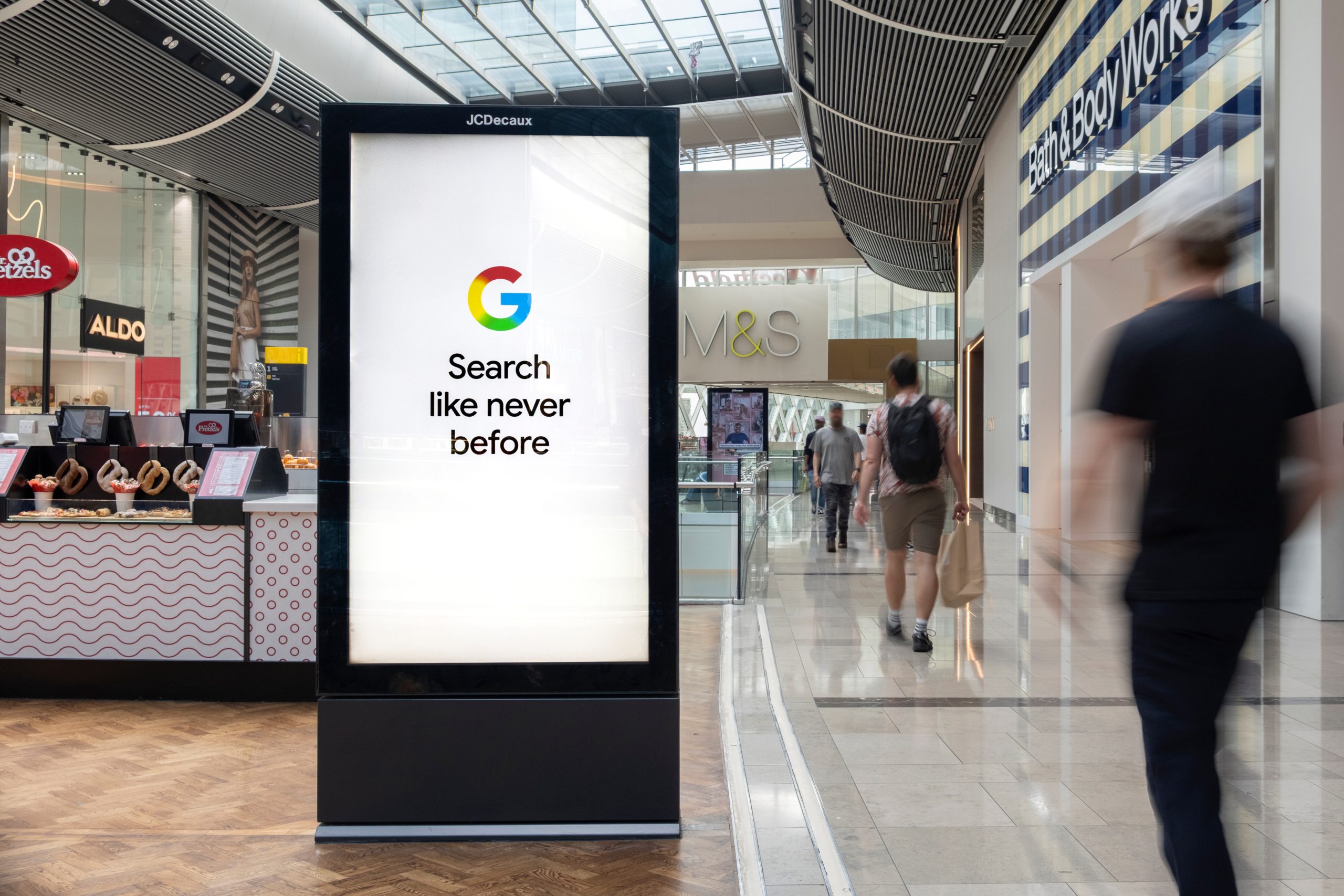
Now let’s talk about the concept that really changes the game: the dual-screen effect. This concept is based on a simple yet powerful observation: modern consumers live in two worlds simultaneously. There is the public screen, that of the street, transportation, shopping malls. And there is the private screen, that of your phone, your computer, your social networks. The dual-screen effect 🎯 describes how these two worlds amplify each other. When a brand creates a strong presence in the real world, it increases brand searches, boosts engagement on social media, and improves online conversions.
I’m fascinated by how this works in practice. Imagine a customer who sees your ad displayed in a crowded train station. This exposure creates a mental impression. Later, when they are on their phone and see an ad for your brand, they recognize it. This recognition significantly increases the likelihood that they will click. That’s the dual-screen effect in action. The omnichannel presence creates a consistency that builds trust and recall. Studies show that this approach can significantly increase conversion results.
What makes this concept even more interesting is that it applies to all types of businesses. Whether you are a large luxury brand or a small local business, the dual-screen effect works. The key is to understand that your marketing strategy must be thought of in an integrated way. Each channel must reinforce the others, creating a smooth and memorable customer experience that crosses the boundaries between the real world and the digital world.
Measuring the Real Impact of Your Channels
Now that we understand how channels interact, we need to learn how to measure this impact. This is where many companies fail. They measure each channel in isolation, without seeing the effects of synergy. For example, you may be measuring the ROI of your display advertising in terms of direct clicks, but you are not measuring how it influences subsequent brand searches. The integrated measurement 📈 is essential to understand the true value of each channel.
I strongly recommend adopting a multi-touch attribution approach. Instead of crediting 100% of the conversion to the last click, you should distribute credit among all the touchpoints that contributed to that conversion. This gives you a much clearer picture of what actually works. You will likely discover that some channels you thought were underperforming actually play a crucial role in the customer journey.
Modern analytics tools make this possible. You can track customers across multiple channels and understand how they move. This complete visibility allows you to make much smarter budget allocation decisions. Instead of cutting budgets for channels that seem underperforming, you may discover that they play an important role in awareness or consideration.
Building a Coherent Omnichannel Strategy
Once you understand how your channels interact, it’s time to build a truly omnichannel strategy. This means that each channel must be thought of in relation to the others, not in isolation. Your message must be consistent but tailored to each platform. Your brand identity 🎨 must be recognizable everywhere, from the billboard to your Instagram page. This consistency creates a powerful customer experience that reinforces trust and recall.
I see too many companies with completely different messages on each channel. Their display advertising talks about one thing, their email marketing about another, and their social media about a third. It’s confusing for the customer and dilutes your message. An effective omnichannel strategy starts with absolute clarity on your core value proposition. Then, you adapt that proposition to each channel in a smart way.
Personalization is also crucial. With the data you collect, you can create personalized experiences across each channel. A customer who visited your website may see personalized ads on social media. A customer who purchased a product may receive relevant recommendations via email. This approach significantly increases engagement and conversions.
Optimizing Your Existing Investment
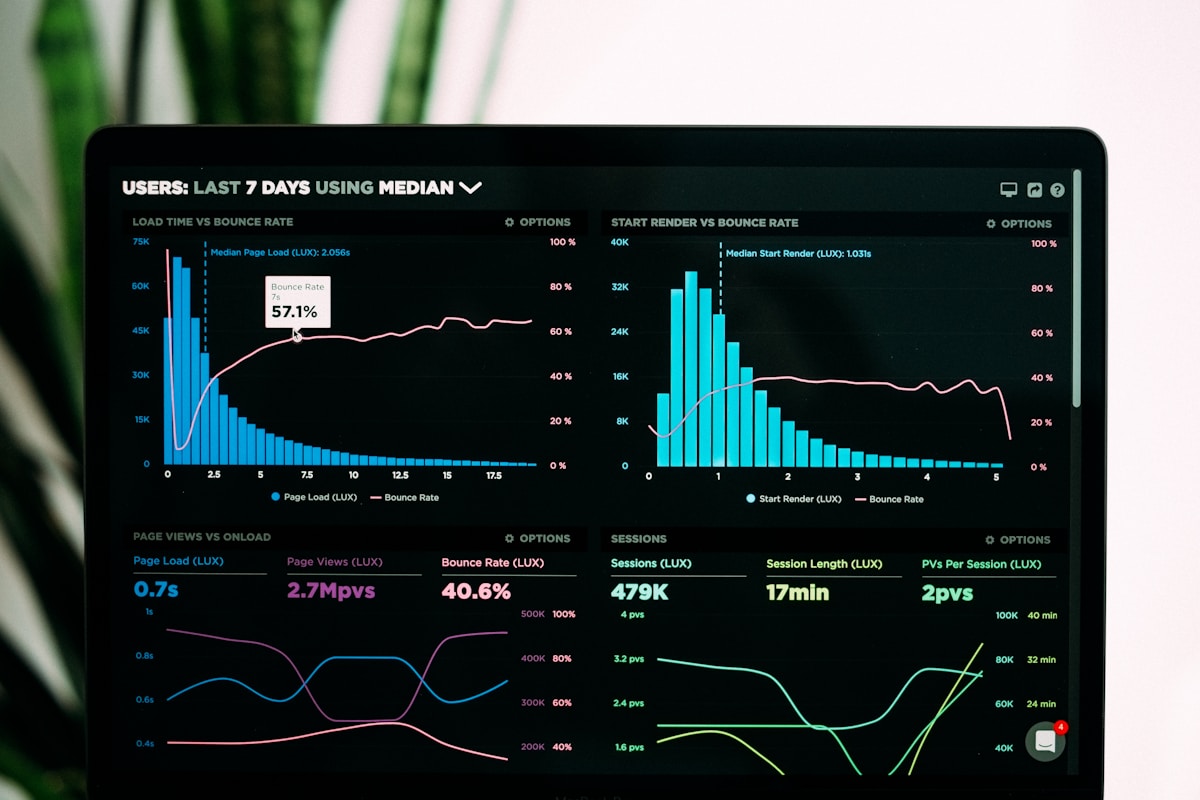
Let’s return to the central question: how to make your existing budget work harder? The answer lies in smart optimization. First, you need to identify the channels that generate the best ROI. But not just in terms of direct conversions. Also think about the value of awareness, consideration, and loyalty. Some channels are excellent for awareness, others for conversion. Your budget allocation 💰 must reflect these different roles.
Second, constantly test and iterate. I am a big proponent of A/B testing and controlled experiments. You can test different messages, different formats, different times of delivery. Each test gives you valuable data that allows you to optimize further. Over time, these small optimizations accumulate and create significant improvements.
Third, use automation and technology to amplify your impact. Marketing automation tools can help you reach the right people at the right time with the right message. AI and data science tools can help you predict customer behavior and optimize your campaigns in real-time. These technologies allow you to do much more with the same budget.
Integrating Offline and Online Advertising
An often-overlooked aspect of the omnichannel strategy is the integration between offline and online advertising. Many companies treat them as two separate worlds. But as we’ve seen with the dual-screen effect, they are deeply interconnected. Your display advertising in the street should direct people to your online channels. Your online advertising should reinforce your offline presence. This strategic integration 🔗 creates a coherent and powerful customer experience.
I recommend creating campaigns that work on both fronts. For example, a display campaign can include a QR code that directs to a specific landing page. An email campaign can include an offer that encourages customers to visit your physical store. A social media campaign can promote an in-person event. These connections create feedback loops that amplify your message.
Integrated measurement is also crucial here. You need to be able to track how a customer moves from the offline world to the online world and vice versa. This requires a solid data infrastructure, but it is absolutely essential to understand the real impact of your marketing efforts. With this visibility, you can optimize your budget allocation much more intelligently.
Conclusion
The truth is simple: you don’t need to spend more to achieve better marketing results. You need to spend more intelligently. By understanding how your channels interact, measuring the real impact of each, and building a truly omnichannel strategy, you can significantly amplify your results with your existing budget. The dual-screen effect is not an abstract theory; it is a reality we see every day in consumer behavior. Companies that understand this and apply it win.
I am convinced that the future of marketing belongs to companies that think in an integrated way. Those that see their customers as complex human beings moving between different channels, rather than as isolated segments. If you can create a coherent and personalized experience across all these channels, you will create a conversion and customer loyalty that are far superior. This is the opportunity that awaits you now.
📝 In Brief
- The problem is not always insufficient budget, but rather fragmentation and lack of omnichannel strategy
- The dual-screen effect shows how offline advertising amplifies online results and vice versa
- Integrated measurement and multi-touch attribution are essential to understand the true ROI of each channel
- A coherent omnichannel strategy with messages tailored to each platform creates a powerful customer experience
- Smart optimization, constant testing, and the use of technology allow you to do more with the same budget